
Spiral Binding vs Binders for Homeschool Curriculum: Which Is Better?

If you homeschool long enough, you eventually develop strong opinions about organization.
And somewhere along the way, most homeschool families end up asking the same question:
“Should we use binders… or spiral binding?”
At first, binders seem like the obvious answer.
They’re easy to find.
You can swap pages around. And they feel like a simple organization solution.
But after a few months of daily homeschool life?
Those giant binders can quickly become:
heavy,
cluttered,
difficult to manage,
and honestly… frustrating.
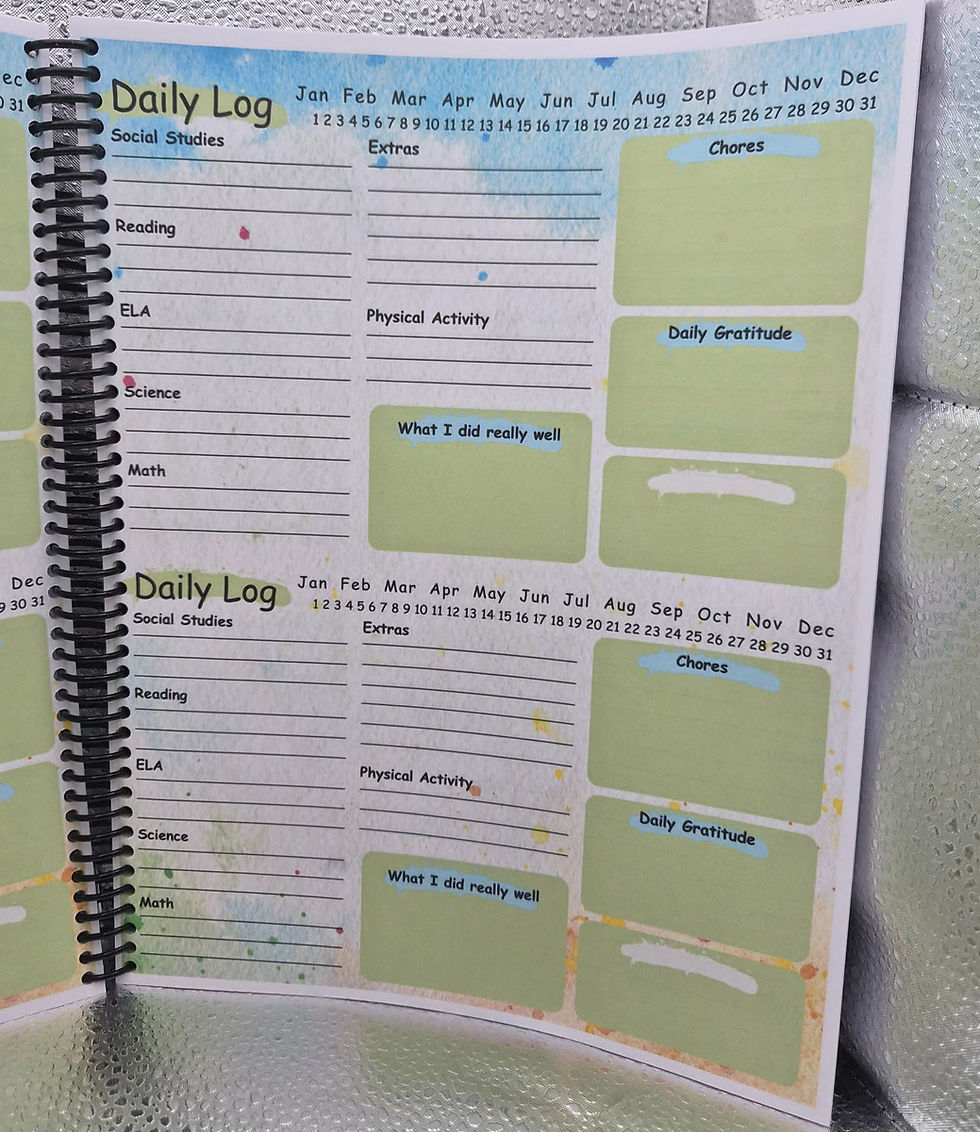
On the other hand, spiral bound curriculum has become increasingly popular with homeschool families looking for a cleaner, simpler system.
So which one is actually better?
The answer depends on your homeschool style — but for many families, spiral binding completely changes the way their homeschool feels day to day.
Why So Many Homeschool Families Start With Binders
Binders are often the default homeschool organization system.
And to be fair, they do have some benefits.
Binders allow you to:
rearrange pages,
add worksheets,
divide subjects with tabs,
store extra materials,
and customize organization systems.
For families using eclectic homeschooling methods or constantly changing curriculum, binders can feel flexible and practical.
At first.
But many homeschool parents eventually run into the same problems.
The Biggest Problems With Homeschool Binders
The reality is that binders can become overwhelming fast — especially when you’re homeschooling multiple children.
Most homeschool families eventually deal with:
giant overstuffed binders,
broken rings,
loose papers falling out,
cluttered shelves,
pages tearing,
difficulty storing everything,
and children struggling to keep materials organized.
And if you’ve ever dropped a full homeschool binder on the floor…
You probably still remember it.
Binders also take up a LOT of space.
One curriculum can easily turn into:
multiple binders,
stacks of folders,
and overflowing shelves.
For many homeschool parents, the clutter eventually becomes stressful.
Why Spiral Binding Has Become So Popular
Spiral bound curriculum solves many of the daily frustrations homeschool families experience.
Instead of juggling:
binders,
hole punches,
tabs,
folders,
and loose papers,
everything stays together in one clean, easy-to-use book.
And honestly? That simplicity matters more than people realize.
Benefits of spiral binding for homeschool curriculum:
Books lay completely flat
Easier for children to use independently
Pages stay together
Easier storage
Easier travel
Less visual clutter
More durable for everyday use
Faster lesson setup
Many homeschool parents say spiral binding makes curriculum feel more approachable and less overwhelming.
Especially for younger children.
Spiral Binding Makes Teaching Easier
One of the biggest differences families notice is how much easier spiral bound books are to actually teach from.
A spiral bound curriculum:
stays open on the table,
folds around completely,
and doesn’t constantly try to close itself while teaching.
That may sound small…
But when you’re juggling:
multiple children,
read-alouds,
notebooks,
and lesson planning,
little conveniences make a huge difference.
You spend less time managing materials and more time focusing on teaching.
What About Flexibility?
This is where binders still have an advantage.
If you:
frequently add pages,
rearrange lessons,
combine curriculum,
or heavily customize your homeschool materials,
binders may still work well for your situation.
Some families even use a combination system:
spiral bound curriculum for core subjects,
binders for worksheets and extra printables.
There’s no single perfect homeschool organization method for everyone.
But many families discover they need far fewer binders once they switch to spiral bound curriculum.
Many homeschool families start by printing curriculum at home and placing everything into binders.
But over time, that process can become:
time consuming,
expensive,
and difficult to maintain.
Between:
hole punching,
organizing pages,
replacing torn sheets,
and constantly reorganizing materials,
binders often require much more upkeep than expected.
Professionally printed and spiral bound curriculum helps eliminate many of those frustrations.
Everything arrives:
organized,
durable,
and ready to use.
Which is a huge relief during busy homeschool seasons.
Which Option Is Better for Large Curriculum?
For large PDF curriculum and full-year programs, spiral binding is often the easier option.
Large binders become:
bulky,
difficult to store,
and hard for children to handle.
Spiral bound books are usually:
cleaner,
more compact,
and easier to use daily.
Many homeschool families also prefer dividing large curriculum into multiple smaller spiral bound books by:
semester,
subject,
or unit.
This creates a much more manageable system.
Spiral Binding VS Binding
Spiral Binding | Binders |
Lays flat while teaching | Difficult to keep open |
Easier for children | Can become bulky |
Compact storage | Takes up more shelf space |
Durable daily use | Rings can break |
Cleaner organization | Loose pages common |
Ready to use | Requires assembly |
Is spiral binding better than binders for homeschool curriculum?
For many homeschool families, yes.
Spiral binding is often easier to manage, more organized, and more convenient for everyday teaching.
Do spiral bound books last longer?
Generally, yes.
Spiral bound curriculum tends to hold up better throughout the school year because pages stay together and books are easier to handle.
Are binders cheaper?
Sometimes initially, but binders often require:
additional supplies,
more organization tools,
and ongoing maintenance.
Can spiral bound curriculum lay flat?
Yes — this is one of the biggest reasons homeschool families prefer it.
What types of curriculum work best with spiral binding?
Spiral binding works especially well for:
unit studies,
planners,
teacher guides,
note booking pages,
workbooks,
and full-year curriculum.
Our Favorite Approach
At Wonder Roots Printing, we’ve seen firsthand how much easier homeschool organization becomes when materials are simple, durable, and easy to use.
While binders still work well for some families, many homeschool parents eventually discover that spiral bound curriculum:
reduces clutter,
saves time,
and creates a calmer homeschool environment overall.
And honestly?
Anything that helps reduce homeschool stress is usually worth considering.
Final Thoughts
There’s no perfect homeschool organization system.
Every family is different.
But if you’ve been overwhelmed by:
giant binders,
loose papers,
cluttered shelves,
or difficult curriculum organization,
spiral binding may completely change the way your homeschool feels day to day.
Because sometimes the best homeschool systems aren’t the most complicated ones.
They’re simply the ones that make life easier.
If you’re tired of fighting overflowing binders and loose curriculum pages, Wonder Roots Printing can help create organized, easy-to-use spiral bound books designed for real homeschool life.


Comments