
Essential Homeschool Tools and Resources for Every Family

Starting your homeschooling journey can feel overwhelming. I remember those early days when I wasn’t sure where to begin or what tools I truly needed. But over time, I discovered that having the right essential homeschool tools makes all the difference. It’s not just about having a stack of books or worksheets; it’s about creating a nurturing, organized, and inspiring learning environment for your child.
If you’re wondering how to get started or want to refresh your current setup, I’m here to share some practical tips and must-have resources that have helped me and countless other families thrive. Let’s dive in!
Why You Need Essential Homeschool Tools
When you’re teaching your kids at home, every day brings new challenges and opportunities. Having the right tools can help you stay organized, keep your kids engaged, and make learning fun. Imagine having everything you need at your fingertips - no scrambling for materials or last-minute printing jobs.
Some of the tools I rely on include:
Curriculum planners to map out lessons and goals.
Daily Planner to keep track of daily tasks
Student Planner to keep track of lessons (organization is key to being less stressed.)
Educational games and manipulatives to make abstract concepts tangible.
Digital resources for interactive learning.
A dedicated space to store materials to make the start of the day easy peasy.
These tools don’t just make your life easier; they help your children develop a love for learning. Plus, when you’re prepared, you can focus more on teaching and less on logistics.

Must-Have Essential Homeschool Tools
Let’s get specific. Here are some of the essential homeschool tools I recommend every family have on hand:
1. Curriculum and Lesson Planning Tools
A solid curriculum is the backbone of your homeschool. Whether you choose a pre-made curriculum or design your own, having a clear plan helps you stay on track. I use printable planners and checklists to organize weekly lessons and track progress.
If you want to save time and stress, consider using homeschool resources that offer printable curriculum materials. These are affordable, high-quality, and customizable to your child’s needs.
2. Educational Supplies and Manipulatives
Hands-on learning is powerful. Tools like counting blocks, fraction circles, and science kits bring lessons to life. These items help kids understand concepts by touching and experimenting, which is especially helpful for younger learners.
3. Technology and Online Resources
Don’t shy away from technology. Tablets, educational apps, and online courses can supplement your teaching. Just be sure to balance screen time with offline activities.
4. Organization and Storage Solutions
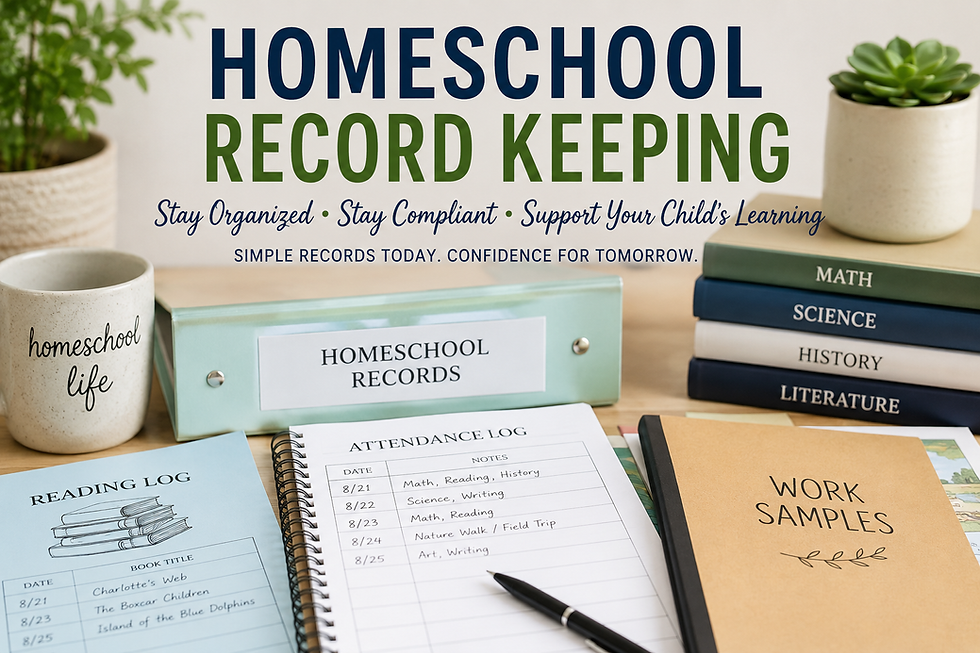
Keeping your homeschool materials organized saves time and reduces frustration. Use labeled bins, shelves, and filing systems to keep everything in its place. I love using clear containers so my kids can easily find what they need.
5. Comfortable and Functional Learning Space
Create a dedicated area for learning. It doesn’t have to be a whole room, but it should be quiet, well-lit, and stocked with supplies. A comfortable chair and desk make a big difference in focus and posture.

Can a Parent Get Paid for Homeschooling?
This question comes up often, and it’s understandable. Homeschooling takes a lot of time and effort, so it’s natural to wonder if there’s financial support available.
The short answer is: it depends on where you live. In most places, parents do not receive direct payment for homeschooling their children. However, some states or regions offer tax credits, stipends, or reimbursement for educational expenses. These programs vary widely, so it’s important to research your local laws and resources.
Additionally, some families find creative ways to supplement their income while homeschooling, such as:
Offering tutoring or teaching classes to other homeschoolers.
Starting a small business or freelance work that fits their schedule.
Applying for grants or scholarships designed for homeschooling families.
While homeschooling itself might not come with a paycheck, the flexibility it offers can open doors to other income opportunities.
How Printable Curriculum Can Save You Time and Money
One of the biggest challenges I faced was managing all the printing and copying of worksheets, lesson plans, and activities. It was time-consuming and often expensive. That’s when I discovered the value of printable curriculum services.
Using a service like Wonder Roots Printing means you get:
High-quality printed materials that are ready to use.
Affordable pricing that fits your budget.
Customizable options to tailor lessons to your child’s needs.
Less time spent on prep, so you can focus on teaching.
Printable curriculum is a game-changer. It reduces your workload and helps keep your homeschool organized.
If you want to explore this option, check out homeschool resources that specialize in curriculum printing. They’re designed with homeschooling families in mind.
Tips for Choosing the Right Homeschool Resources
With so many options out there, how do you pick the best resources for your family? Here are some tips that have helped me:
Know your child’s learning style. Some kids thrive with hands-on activities, others prefer reading or videos.
Set clear goals. What do you want your child to achieve this year? Choose resources that align with those goals.
Start simple. Don’t overwhelm yourself with too many materials at once.
Look for flexibility. Life happens, and your curriculum should adapt to your schedule.
Read reviews and ask for recommendations. Other homeschooling parents are a great source of honest feedback.
Remember, the best resources are the ones that work for you and your child. Don’t be afraid to try new things and adjust as you go.
Creating a Supportive Homeschool Community
Homeschooling can sometimes feel isolating, but it doesn’t have to be. Building a community of fellow homeschoolers provides encouragement, ideas, and social opportunities for your kids.
Here are some ways to connect:
Join local homeschool groups or co-ops.
Attend workshops, field trips, and events.
Participate in online forums and social media groups.
Collaborate with other families for group learning activities.
Having a support network makes the journey more enjoyable and sustainable.
Your Next Step Toward a Successful Homeschool Year
I hope this guide has given you some clarity and inspiration. Remember, homeschooling is a journey, not a race. With the right essential homeschool tools and a bit of planning, you can create a rich learning experience for your child.
If you’re looking for a way to simplify your curriculum prep, consider exploring printable options. They can save you time, reduce stress, and help you focus on what matters most - teaching and nurturing your child’s growth.
Happy homeschooling! You’ve got this.


Comments